How to Fix a Patchy Beard: The Complete Guide 2026

A patchy beard is fixable. Most men with patchy growth assume their beard will never fill in — but the truth is that with the right routine, the right products, and enough patience, most patchy beards transform into full beards within 6-12 months. This guide covers what actually works, what doesn't, and the practical steps to get there.
Patchy growth has multiple causes — genetics, hormones, age, nutrition, and skin care all play a role. Some you can change, some you can't. Knowing the difference is the first step to fixing it.
Quick answer: How do you fix a patchy beard?
Fix a patchy beard by combining four things: daily beard oil application to condition skin and support follicle health, patience (most patchy beards fill in significantly between months 3 and 12), proper nutrition (biotin, vitamin D, zinc, omega-3), and avoiding over-trimming. For severe patchiness, minoxidil and beard transplants are options — but most men see major improvement from beard oil and patience alone within 6 months. Patchy doesn't mean permanent.
Why Is My Beard Patchy?
Patchy beard growth has five main causes. Understanding which apply to you determines what fix actually works.

1. Genetics
Genetics are the biggest factor. Beard growth is determined less by overall testosterone levels and more by how sensitive your hair follicles are to dihydrotestosterone (DHT) — a sensitivity that's genetically inherited. If your father, uncles, or grandfathers struggled with patchy beards, you may too.
The good news: you can't change your genetics, but you can maximise what you have. Many men with "patchy genetics" still grow full beards eventually with the right approach.
2. Age
Beards continue developing well into your 30s. A patchy beard at 22 often becomes a full beard at 30. Most men reach peak beard density between 30 and 35.
If you're under 30 with a patchy beard, time may be your most powerful ally. Don't make permanent decisions about your beard based on what it looks like now.
3. Hormonal Imbalances
Testosterone and DHT drive beard development. Imbalances — caused by stress, poor sleep, low body fat, overtraining, or nutritional deficiencies — can suppress beard growth. Chronic stress in particular elevates cortisol, which suppresses testosterone.
If you're dealing with chronic stress, poor sleep, or high training volumes alongside patchy growth, addressing those issues often improves beard density within months.

4. Nutritional Deficiencies
Hair growth requires specific nutrients. Deficiencies in biotin, vitamin D, zinc, vitamin B12, iron, or omega-3 fatty acids can directly impair beard growth.
This is why dietary improvements often produce visible beard improvements within 8-12 weeks. The hair growth cycle is slow, but consistent nutrition shows real results.
5. Skin Health
The skin underneath your beard determines how well your follicles function. Dry, irritated, inflamed, or congested skin produces weaker hair growth. Proper skin care isn't optional — it's foundational.
This is where daily beard oil becomes critical. Oil conditions both the existing hair AND the skin underneath, supporting healthier follicle function and visible improvement in patchy areas over time.
The Beard Oil Solution — Why It Works for Patchy Beards
The single most underrated fix for patchy beards is daily beard oil application. Most men dismiss it as "just for shine" — but real beard oil works on three levels:
- Conditions existing hair so it lays flatter and visually fills in patches better
- Hydrates the skin underneath, supporting healthier follicle function
- Reduces beard itch — the main reason men give up on growing patchy beards before they fill in
The catch: most beard oils on the market are diluted, full of synthetic fragrance, or built around petroleum-based carriers that sit on the surface and don't condition properly. For patchy beards specifically, ingredient quality matters more than for any other beard product.

Look for cold-pressed natural oils — argan, jojoba, almond — and avoid alcohol-based or petroleum formulas that dry out the skin.
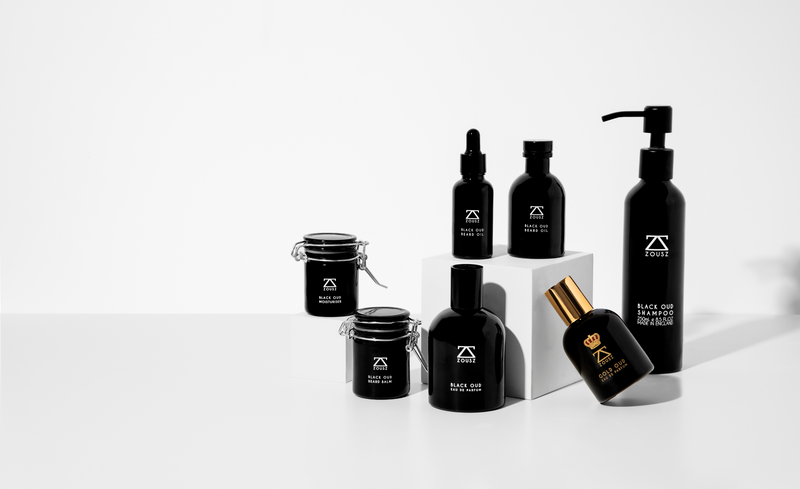
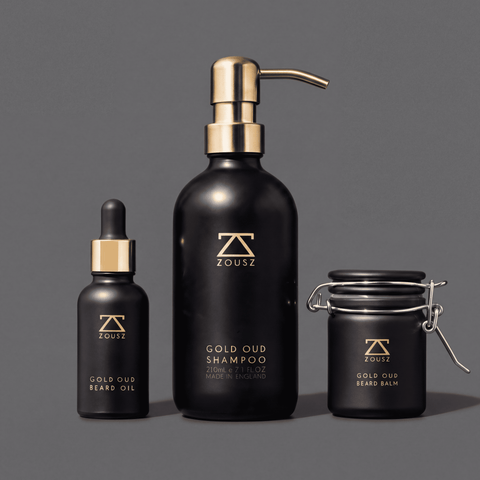
ZOUSZ Black Oud Beard Oil is built on this principle. Real Black Oud, cold-pressed natural oils, small-batch British formulation. Used daily for 2-3 months, men with patchy beards consistently report visible improvement — both in how fuller the beard looks and in how much new growth appears in previously patchy areas.
Shop Black Oud Beard Oil → Browse Beard Collection →
The 6-Month Patchy Beard Routine
The routine that transforms patchy beards into full beards. Six months is the realistic timeline — most men see major changes by month 4 and full results by month 6.
Months 1-2: Foundation
- Stop trimming completely. Let everything grow.
- Apply beard oil daily — morning, after washing your face
- Wash beard 2-3 times per week with proper beard shampoo (not regular shampoo, which strips natural oils)
- Brush daily with a boar bristle brush to distribute oils and train growth direction
- Resist the urge to compare daily — progress is invisible day-to-day, visible week-to-week
Months 3-4: Filling In
- Continue daily beard oil — never skip days
- Add beard balm if length is reaching 1cm+ (provides hold and shape for longer styles)
- Patchy areas should start filling in. Wispy hairs you didn't notice before will start thickening.
- Resist trimming patches that look uneven. They will continue filling in.
- Maintain consistent washing and brushing routine
Months 5-6: Refinement
- By now most patchy areas will have visible improvement
- Some sparse areas may remain — these can usually be styled around with a beard style that complements your natural growth pattern
- Consider trimming for shape, not length — refining the edges, defining the neckline
- Continue daily beard oil — this becomes permanent maintenance, not a temporary fix
Beyond Month 6: Maintenance
- Daily beard oil and brushing become part of your routine
- Wash 2-3 times weekly
- Trim regularly to maintain shape
- Patchy areas that haven't filled in by month 6 may be permanent — but you'll know what beard style works best for your face and your growth pattern
Shop Beard Oil → Browse Beard Care →
What to Eat for a Fuller Beard
Beard growth is a hair growth process, and hair needs specific nutrients. The most beard-supportive foods:
Biotin Sources
Eggs, almonds, walnuts, salmon, sweet potatoes, spinach. Biotin (vitamin B7) is essential for hair production. Most men get enough through diet, but deficiency directly causes hair thinning.
Vitamin D Sources
Oily fish (salmon, mackerel, sardines), egg yolks, fortified foods. Vitamin D deficiency is extremely common and directly linked to hair loss. UK winters make supplementation worth considering — vitamin D3 at 1,000-2,000 IU daily.
Zinc Sources
Red meat, shellfish (especially oysters), pumpkin seeds, lentils. Zinc supports testosterone production and follicle health.
Omega-3 Sources
Oily fish, flaxseed, walnuts, chia seeds. Omega-3s reduce inflammation and support healthy hair follicles.
Protein
Hair is made of protein (keratin). Insufficient protein intake directly limits hair growth. Aim for 1.2-1.6g protein per kg of body weight if you train, less if sedentary.
What to Avoid
Excessive alcohol (depletes B vitamins), heavily processed foods (low nutrient density), and chronic calorie deficits (reduce hormone production). Crash dieting is one of the fastest ways to thin existing hair.
Lifestyle Factors That Affect Beard Growth
Sleep
Most testosterone production happens during deep sleep. Chronic sleep deprivation (under 7 hours nightly) significantly suppresses testosterone — and therefore beard growth. If you're not sleeping properly, no amount of beard oil will fix patchy growth.
Exercise
Resistance training (weight lifting) supports testosterone. Cardio is fine in moderation but excessive endurance training can suppress testosterone. Aim for 3-4 strength training sessions per week and moderate cardio.
Stress Management
Chronic stress elevates cortisol, which suppresses testosterone. Meditation, time outdoors, and proper sleep all reduce cortisol. This isn't soft advice — it's directly mechanistic.
Body Composition
Both extremely low body fat (under 8% for men) and obesity suppress testosterone. The beard-optimal range is roughly 12-20% body fat. Most men are well within this range without thinking about it.
Non-Natural Solutions for Patchy Beards
If patience and the natural routine don't deliver enough improvement, more direct interventions exist. These come with trade-offs.
Minoxidil (Rogaine)
Originally developed for male-pattern baldness, minoxidil is now widely used for beard growth. Applied topically to patchy areas, it stimulates follicles and supports new growth.
The catch: you can never stop using it. Once you stop, the new growth falls out. Minoxidil isn't a cure — it's a permanent treatment. Also requires consistency for 6-12 months before significant results, and can cause skin irritation.
Always consult a healthcare professional before starting minoxidil for beard growth — it's an off-label use.
Beard Transplant Surgery
The most permanent option. Hair follicles are taken from the back of your scalp and transplanted to patchy beard areas. The transplanted hair grows naturally and doesn't fall out.
The catch: costs £3,000-£7,000 in the UK. Permanent. Carries surgical risks. Best reserved for men who've genuinely tried other options for at least 12 months.
For the full breakdown, read our complete guide to beard transplants — pros, cons, and alternatives.

Testosterone Boosters
Generally not recommended without medical supervision. Most over-the-counter "test boosters" don't work. Actual testosterone replacement therapy (TRT) requires a doctor's prescription and is intended for men with diagnosed low testosterone — not as a beard growth solution.
Topical Steroids
Sometimes prescribed for alopecia barbae (immune-mediated patchy beard loss). Requires medical diagnosis. Not appropriate for general patchy beard issues.
How to Style a Patchy Beard
While you're working on filling it in — or if patchiness is permanent — the right beard style can make patchy growth look intentional rather than incomplete.
Embrace the stubble
Stubble at 3-7mm hides patchiness better than any longer length. Your eye reads stubble as deliberate rather than incomplete.
Goatee or chin-focused styles
If your patches are on the cheeks but chin growth is decent, a goatee or extended goatee turns the limitation into a defined style choice.
Beardstache
The trending 2026 look — pronounced moustache with light cheek/chin stubble. Works exceptionally well for men with patchy cheek growth and stronger moustache density.
Avoid going long if patchy
Long beards expose patches more, not less. The thinness of longer hair makes any gaps obvious. If your beard is significantly patchy, keep it shorter and more defined.
For more on choosing the right style, read our complete beard styles guide.
Patchy Beard FAQ
Does beard oil really help patchy beards?
Yes — within reason. Quality beard oil conditions both the existing hair and the skin underneath, supporting healthier follicle function and making existing growth look fuller. It can't generate new follicles where none exist, but it can dramatically improve the appearance and growth of follicles that are present but underperforming. Most men see visible improvement within 8-12 weeks of daily use.
How long until a patchy beard fills in?
Most patchy beards see significant improvement between months 3-6 of consistent care. Full transformation usually takes 6-12 months. Severe genetic patchiness may never fully fill in, but most men achieve dramatic improvement within a year.
At what age does a patchy beard fill in?
Beard development continues well into your 30s. Most men reach peak beard density between 30 and 35. A patchy beard at 22 often becomes a full beard by 28-30. If you're under 30, time is on your side.
Can a patchy beard ever become full?
Yes, in most cases. Patches caused by age, nutrition, stress, or skin issues are usually fixable with the right routine. Patches caused purely by genetics may not fully resolve, but can usually be improved significantly.
Should I shave a patchy beard or grow it out?
Grow it out — but commit to at least 6 months. Patchy beards always look worse at weeks 4-8 because the gaps are most visible at medium length. By month 4-6, longer growth begins covering the gaps. Most men give up too early.
Is minoxidil safe for beard growth?
Minoxidil is FDA-approved for scalp hair loss but used off-label for beards. It's generally considered safe but can cause skin irritation, requires permanent ongoing use (results disappear if you stop), and shouldn't be used without consulting a healthcare professional first.
Why is my beard patchy in some areas but not others?
Hair follicle density varies across the face for everyone. Patchy areas typically have fewer follicles or follicles that are less responsive to DHT. Some men have dense moustaches but sparse cheeks; others the opposite. This is genetically determined and usually doesn't change significantly.
What's the best beard oil for patchy beards in the UK?
Look for beard oils built around cold-pressed natural carrier oils (argan, jojoba, almond), real essential oils for fragrance, and no synthetic ingredients or petroleum bases. ZOUSZ Black Oud Beard Oil is the British luxury option — small-batch, real Black Oud, designed for daily use including by men with patchy growth.
The Bottom Line
A patchy beard isn't a permanent verdict. With the right routine — daily beard oil, proper nutrition, decent sleep, and the patience to commit for 6 months — most patchy beards transform into full beards.
The mistake most men make is giving up at week 6 when the patches look worst. Push through to month 4 and the difference is dramatic. Push through to month 6 and you'll have the beard you thought you couldn't grow.
The simplest place to start is daily beard oil. Real ingredients, applied consistently, work. The ZOUSZ Black Oud Beard Oil is built for exactly this — small-batch British formulation, real Black Oud, designed to support healthier beard growth for men at every stage of the journey.